


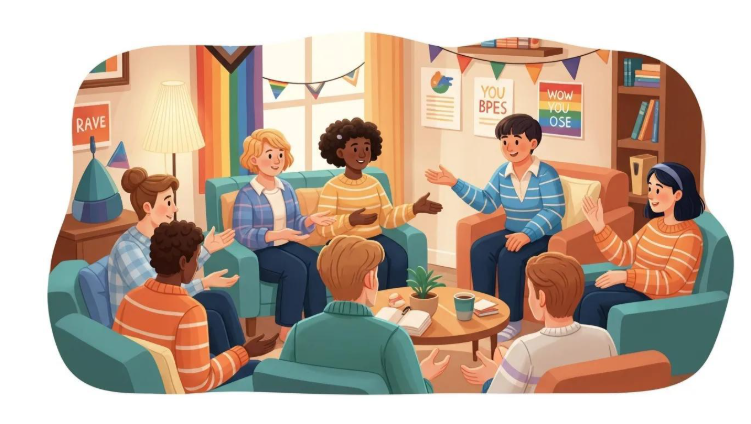
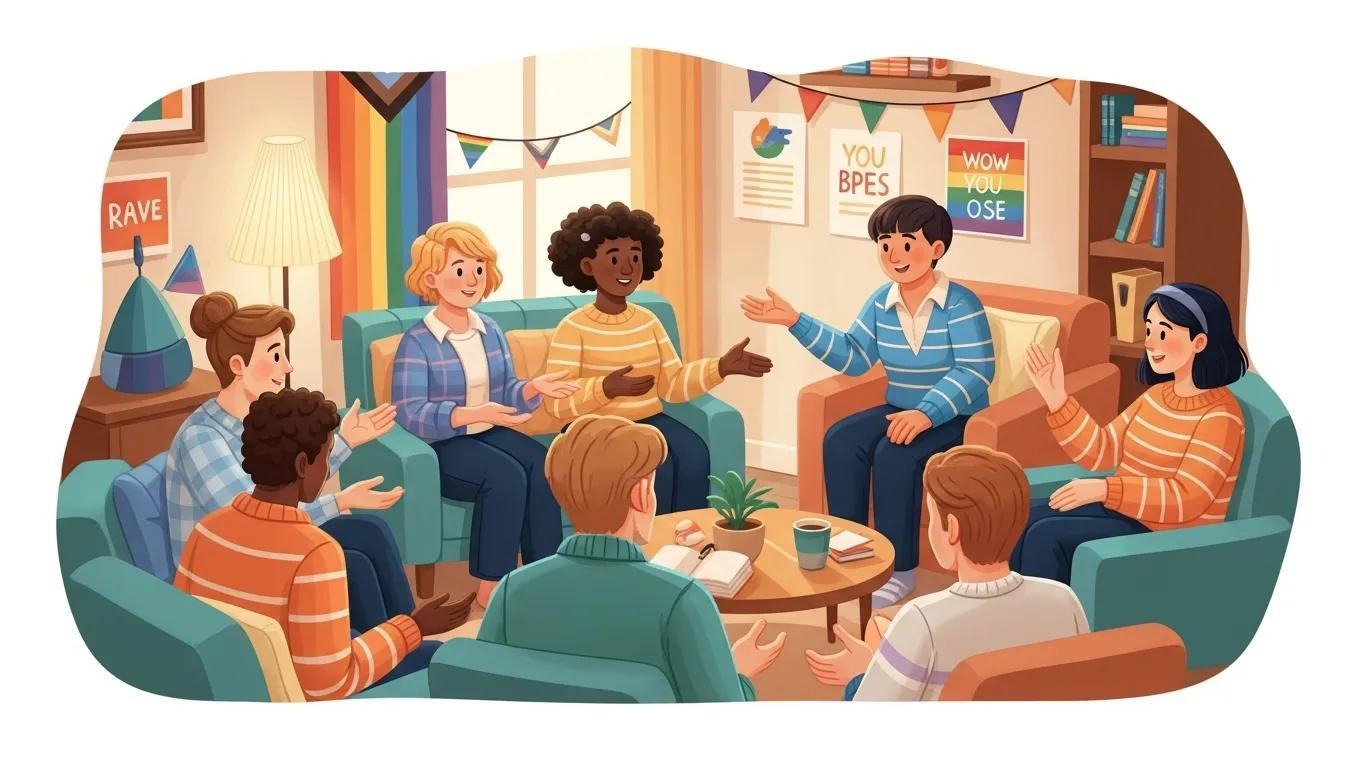
Creating inclusive support groups for the LGBTQ+ community is essential for fostering a safe and supportive environment where individuals can share their experiences and seek help. These groups not only provide emotional support but also serve as a vital resource for mental health information tailored to the unique challenges faced by LGBTQ+ individuals. In this article, we will explore essential mental health resources, effective facilitation strategies, and best practices for creating an inclusive environment. Additionally, we will discuss how to engage community members and sustain participation in these support groups.
Research consistently highlights the profound positive impact that social support groups have on the mental well-being and overall lives of LGBTQ+ individuals.
Benefits of Social Support Groups for LGBTQ+ Mental Health
Participant narratives highlighted immigration stressors, social isolation, mental health issues, and challenges meeting the SDOH. Findings reveal multi-level benefits of social support group participation at intrapersonal (self-acceptance, improved mental health), interpersonal (reduced isolation, friendships), community (reciprocity, reduced stigma and discrimination), and structural (housing, employment, immigration, health care) levels.
“It's for us–newcomers, LGBTQ persons, and HIV-positive persons. You feel free to be”: a qualitative study exploring social support group participation among African …, CH Logie, 2016
Access to appropriate mental health resources is crucial for LGBTQ+ individuals seeking support. Various organizations and platforms offer tailored services to meet the unique needs of this community.
These resources are vital for individuals seeking assistance and can significantly impact their mental well-being.
Despite the availability of these crucial resources, many LGBTQ+ youth still face significant barriers to accessing mental health care, underscoring the ongoing need for accessible and effective support.
LGBTQ+ Youth Mental Health: Barriers to Care & Therapy Impact
Half of LGBTQ+ youth who wanted mental health care did not receive it. The most common barrier was fear of talking about mental health concerns (42%). Among those who received care, one-on-one therapy was most common (69% in-person and 53% online). Suicidal ideation was lower among youth in therapy (46% in-person and 40% online) compared to those using crisis lines (75%).
Crisis line use and mental health care access among LGBTQ+ young people in the
United States, DD Matthews, 2025
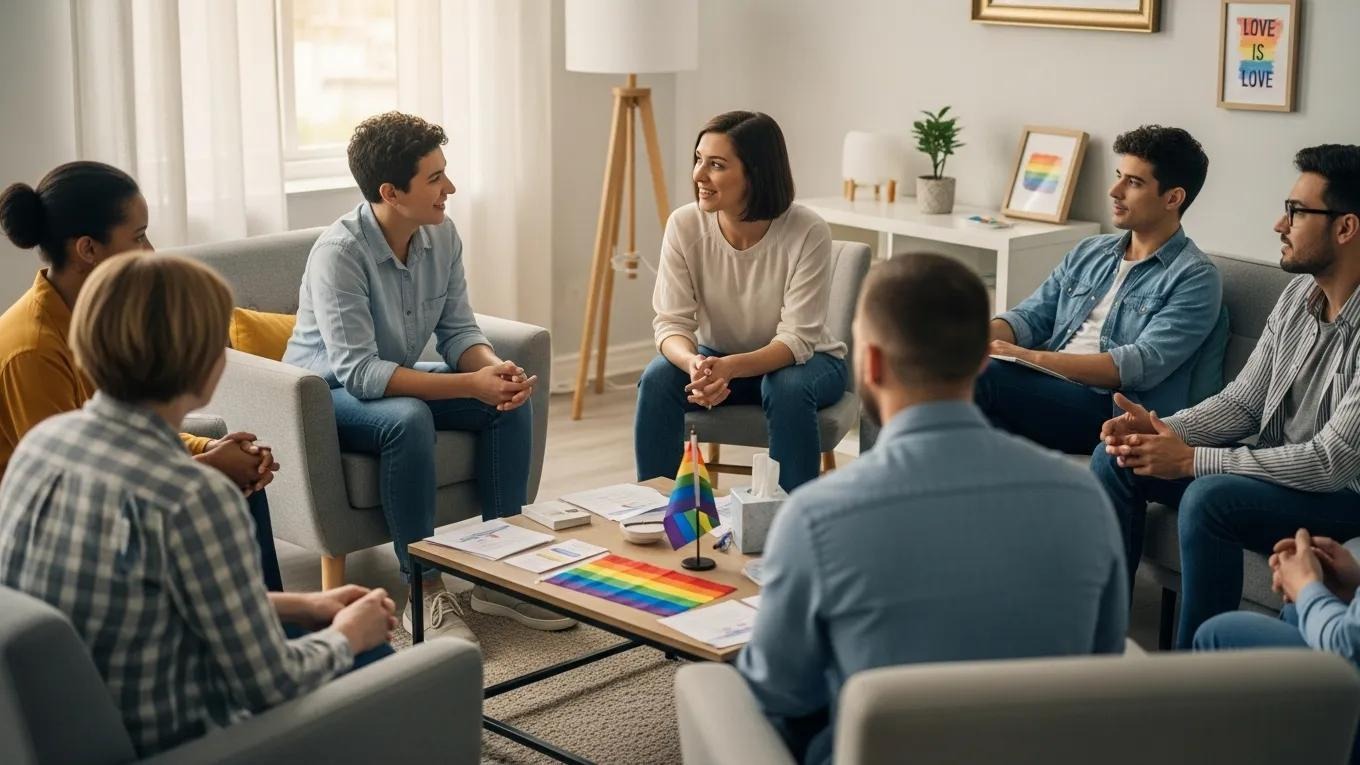
Facilitating LGBTQ+ support groups requires specific strategies to ensure that discussions are productive and inclusive. Here are some effective techniques:
By implementing these strategies, facilitators can create a supportive atmosphere that fosters open communication and trust among group members.
MentalHappy Inc. is a mental health-focused organization dedicated to providing accessible emotional support and mental health resources, specifically targeting the LGBTQ+ community and professionals who facilitate support groups. Their platform offers various tools and resources that can enhance the effectiveness of support group facilitation.
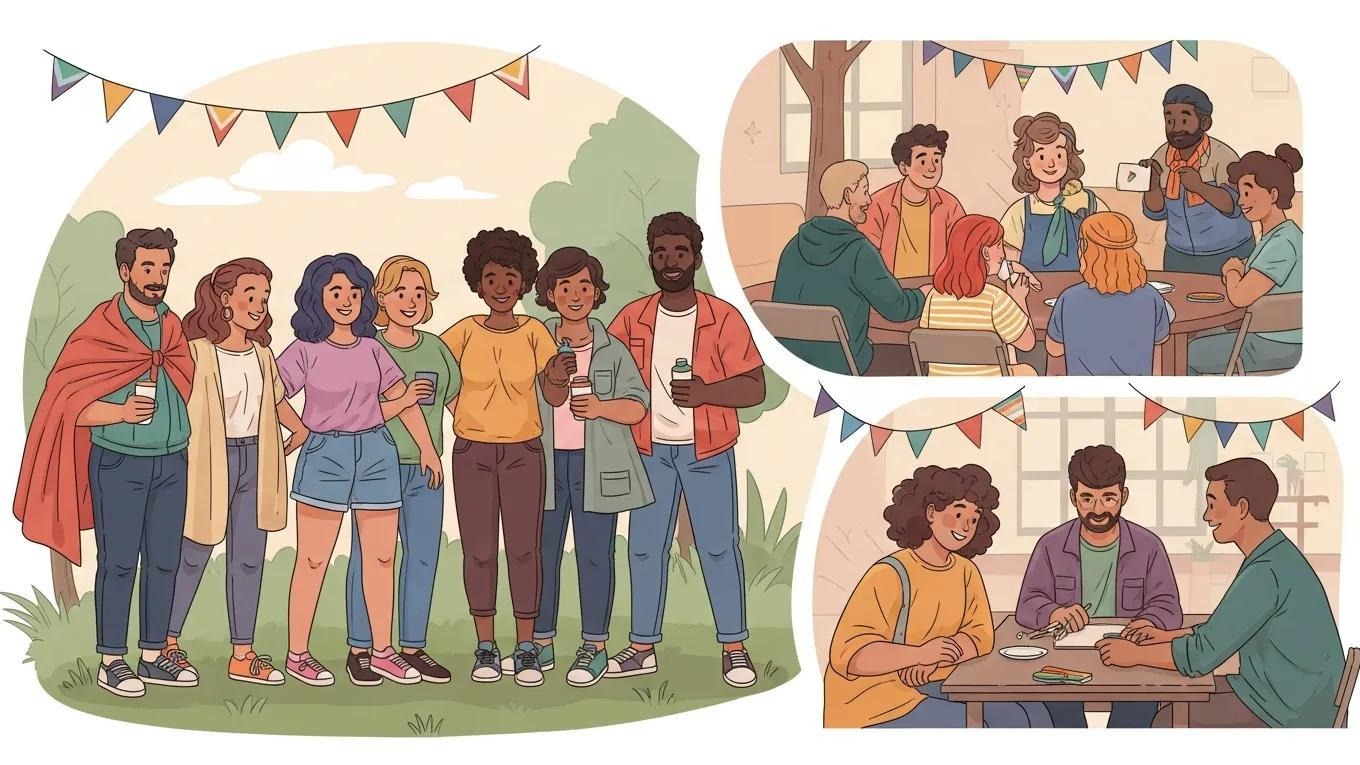
Creating an inclusive environment is essential for the success of LGBTQ+ support groups. Here are some best practices to consider:
These practices help ensure that all participants feel valued and respected, which is crucial for fostering a sense of belonging.
The rise of online platforms has made it easier for LGBTQ+ individuals to connect and find support. Here are some notable resources:
These online and local resources play a significant role in providing support and fostering community connections.
Starting and hosting an LGBTQ+ support group involves several key steps:
By following these steps, facilitators can create a welcoming environment that encourages participation and engagement.
Facilitating LGBTQ+ support groups requires attention to several best practices:
These practices are essential for ensuring that support groups remain constructive and beneficial for all members.
Creating safe spaces for LGBTQ+ participants involves several actionable steps:
By implementing these strategies, facilitators can create an environment where all participants feel welcome and valued.
Several resources are available for individuals seeking mental health support:
These resources are crucial for individuals seeking assistance and can significantly impact their mental well-being.
Engaging community members and sustaining participation in support groups can be achieved through several strategies:
By implementing these strategies, facilitators can foster a sense of community and encourage ongoing participation.

.svg)


.png)
.png)


.svg)


.svg)


