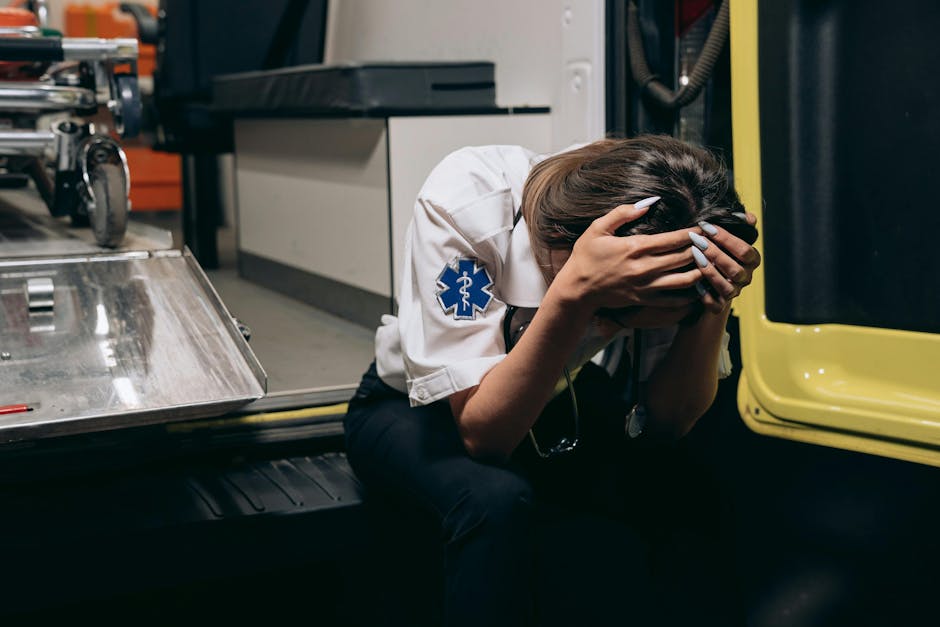
Burnout among healthcare professionals is an escalating crisis facing our healthcare system today. It’s characterized by emotional exhaustion, depersonalization, and a reduced sense of personal accomplishment. Here’s what you need to know:
- What? Burnout is a response to chronic workplace stress that has not been successfully managed.
- Why? It leads to higher turnover, affects patient care, and increases mental health challenges.
- Who? All healthcare workers are at risk, but it particularly impacts those in high-stress environments.
- How? Solutions require organizational change, supportive leadership, and mental health resources.
The healthcare field has long been a place of high stress and intense demands. From hospitals in Arizona to clinics in California, dedicated professionals face emotional and physical strain daily. Yet, the COVID-19 pandemic has liftd these pressures to alarming levels, putting countless workers at risk for burnout.
According to a study, burnout affects about one in three physicians at any given time. This not only impacts their well-being but also the quality of care they provide, underscoring the urgent need for systemic change.
As Tamar Blue, founder of MentalHappy, I have dedicated my career to addressing burnout among healthcare professionals. By creating innovative solutions, I continue to tackle mental health barriers and foster support across the healthcare community, ensuring professionals can thrive while still providing exceptional care.
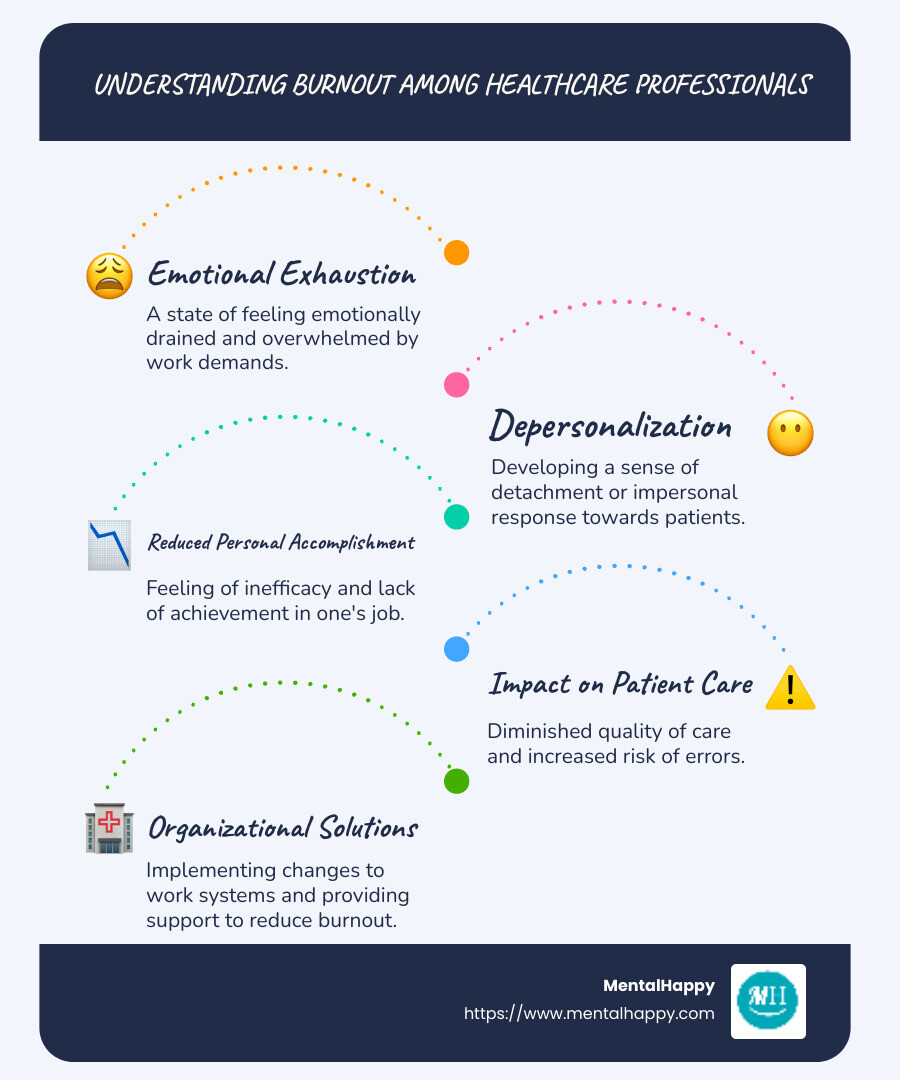
Understanding Burnout Among Healthcare Professionals
Burnout among healthcare professionals is a widespread issue, and it primarily manifests through three key symptoms: emotional exhaustion, depersonalization, and a diminished sense of personal accomplishment.
Emotional Exhaustion
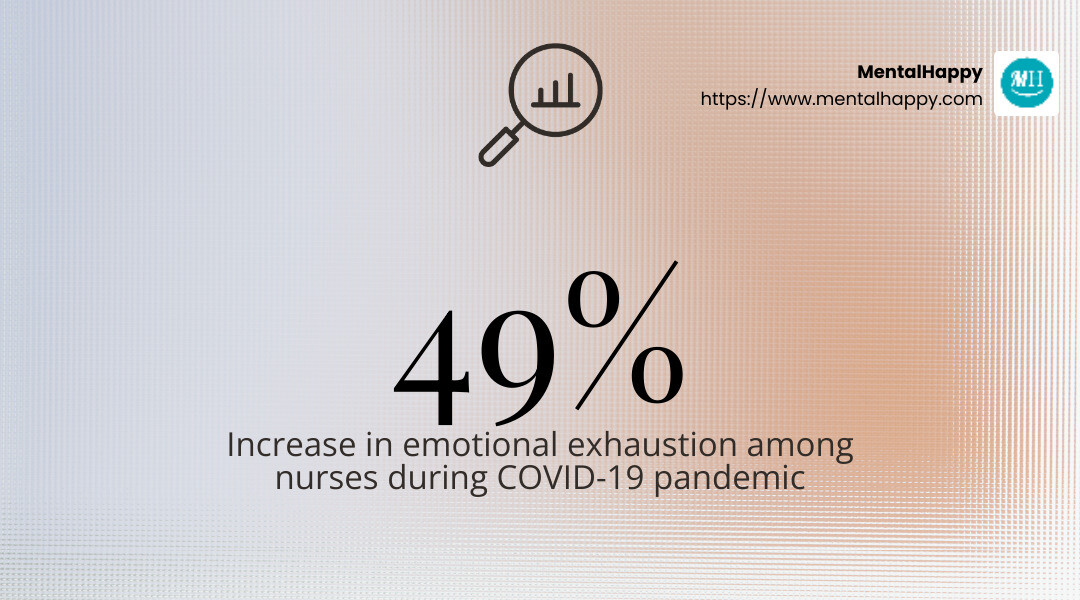
Imagine being so drained that even the simplest tasks seem impossible. Emotional exhaustion is the feeling of being emotionally overextended and depleted of one's emotional resources. It’s the most reported symptom of burnout among healthcare workers. For example, during the COVID-19 pandemic, emotional exhaustion among nurses surged from 41% to 49% in just one year, highlighting the intense pressures faced by frontline workers.
Depersonalization
Depersonalization involves developing a detached and impersonal response toward patients and colleagues. Healthcare professionals experiencing this may start viewing patients as mere tasks rather than individuals needing care. This can lead to a loss of empathy, impacting patient relationships and care quality. A study found that emergency physicians are particularly susceptible, with 57% reporting burnout, often marked by depersonalization.
Personal Accomplishment
A reduced sense of personal accomplishment is the feeling that one’s work is no longer meaningful or impactful. This can be disheartening, particularly for those in healthcare who entered the field to make a difference. When healthcare workers start doubting their effectiveness and value, it can lead to decreased job satisfaction and motivation. According to research, this aspect of burnout can range widely, with some studies reporting up to 87.1% of healthcare professionals experiencing it.
Burnout is not just an individual problem but a systemic issue within healthcare environments. Addressing it requires understanding these core symptoms and implementing comprehensive strategies to support healthcare workers effectively.
Causes of Burnout in Healthcare
Burnout among healthcare professionals is not just about long hours or tough cases. It's deeply rooted in the very systems and structures of the healthcare environment. Let's break down the main causes:
Workplace Systems
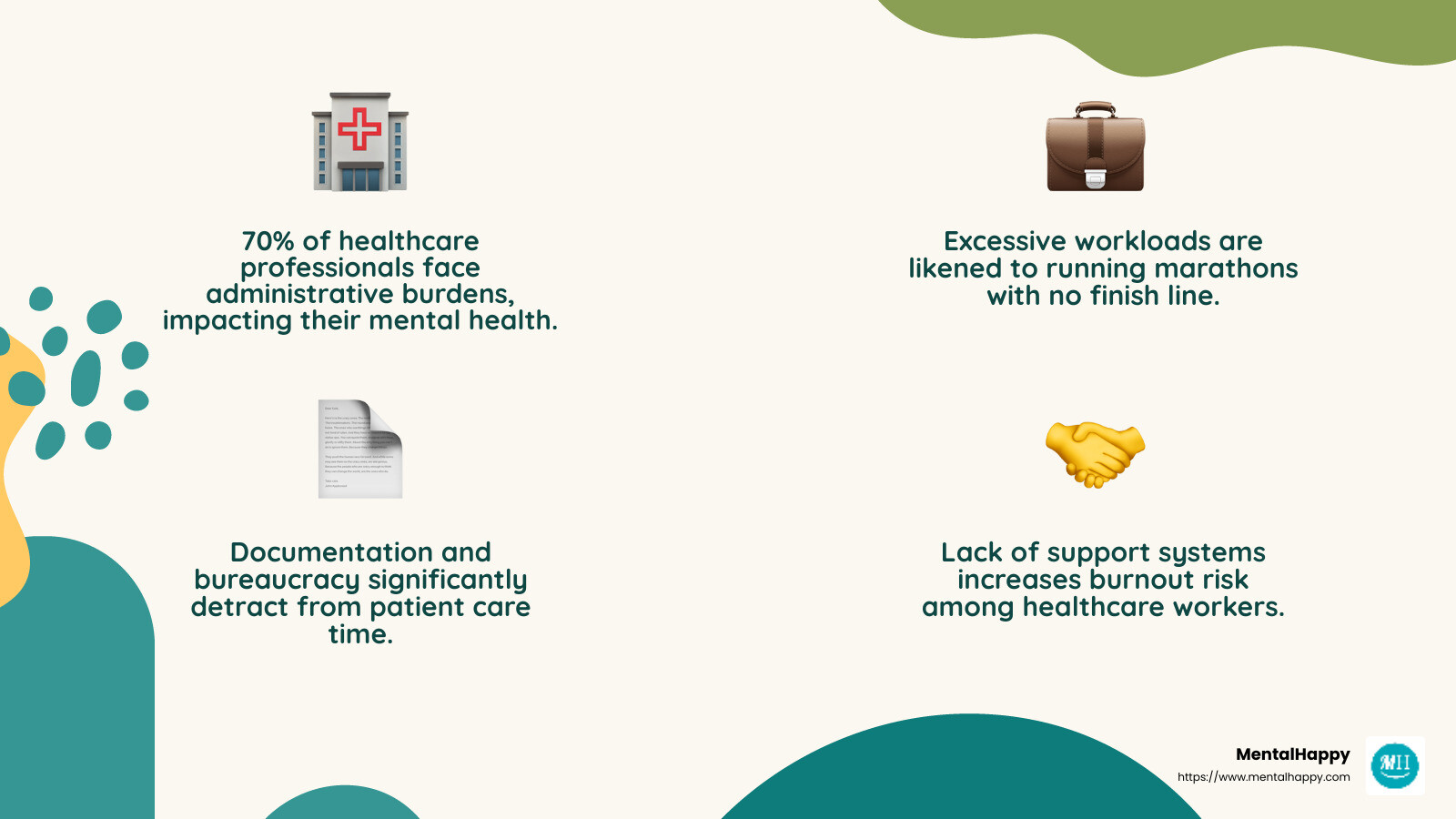
Healthcare systems can be complex and demanding. Many professionals face a lack of autonomy and control over their work. Administrative burdens often take up significant time, leaving less room for patient care. Limited say in scheduling further compounds this issue, forcing workers to juggle unpredictable hours with personal responsibilities.
Excessive Workloads
Imagine constantly running a marathon with no finish line in sight. That's what excessive workloads feel like for many in healthcare. The pressure to see more patients, complete more tasks, and meet increasing demands can lead to physical and mental exhaustion. According to a study, severe stress and high workloads can nearly quadruple the risk of burnout.
Administrative Burdens
Paperwork and bureaucratic tasks are often overwhelming. These duties can detract from the time available for patient interaction and care. The need to complete documentation, adhere to regulations, and manage electronic health records contributes significantly to stress levels. This administrative overload can lead to feelings of frustration and helplessness among healthcare workers.
Lack of Support
Support systems are crucial in any demanding job, but they are often lacking in healthcare settings. Many professionals report insufficient organizational support and resources. This includes a lack of access to mental health services, inadequate staffing, and limited professional development opportunities. Without proper support, the risk of burnout increases, as employees feel isolated and undervalued.
Addressing these systemic issues is vital in combating burnout. By recognizing and addressing these root causes, healthcare organizations can create a more supportive and sustainable work environment for their employees.
Next, we'll explore the impact of burnout on both healthcare professionals and the quality of patient care.
Impact of Burnout on Healthcare Professionals
Burnout among healthcare professionals has far-reaching effects that touch every corner of the healthcare system. Let's explore the main areas impacted:
Mental Health
Healthcare workers are at a high risk for mental health issues due to burnout. Anxiety and depression are common, affecting up to 70% of medical staff during the pandemic, according to a global review. The constant pressure and emotional strain can lead to severe outcomes like post-traumatic stress disorder (PTSD) and, in extreme cases, suicidal thoughts. It's crucial to recognize that burnout isn't just about feeling tired—it's a serious mental health challenge.
Patient Care
Burnout doesn't just affect healthcare workers; it also impacts patients. When professionals are emotionally exhausted, their ability to provide high-quality care diminishes. Communication with patients can suffer, leading to misunderstandings and reduced patient satisfaction. Burnout is linked to increased medical errors, which can jeopardize patient safety. A study found that doctors experiencing burnout were twice as likely to receive low satisfaction ratings from patients. If burnout is not addressed, it can create a ripple effect, lowering the standard of care across entire healthcare facilities.
Staffing Shortages
Burnout is a leading cause of staffing shortages in healthcare. As professionals become overwhelmed, many choose to leave their jobs or retire early. The CDC reports that more than 45% of healthcare workers feel burned out, with many considering leaving the field entirely. This exodus exacerbates existing staffing shortages, particularly in primary care and rural areas, where the demand for physicians already outpaces supply. The shortage of staff increases the workload for those who remain, creating a vicious cycle that further fuels burnout.
Addressing the impact of burnout is critical for the health and sustainability of both healthcare professionals and the system as a whole. In the next section, we'll explore strategies to prevent and address burnout effectively.
Strategies to Prevent and Address Burnout
Tackling burnout among healthcare professionals requires a multifaceted approach. Let's explore effective strategies that can make a real difference:
Organizational Solutions
Organizations play a crucial role in combating burnout. Providing autonomy, reducing administrative burdens, and ensuring adequate resources are key steps. Giving healthcare workers a say in their schedules and involving them in decision-making can significantly improve their work experience. According to a study, promoting autonomy and providing adequate support staff can improve well-being.
Additionally, fostering a collegial work environment helps. Encouraging teamwork and communication among staff can reduce feelings of isolation and stress. Institutions should also address systemic issues like excessive workloads and ensure that policies support rather than hinder employee well-being.
Mental Health Support
Access to mental health resources is vital. Healthcare organizations should offer confidential counseling services and support groups. Creating an environment where seeking help is encouraged and stigma-free can make a big difference. The CDC highlights the importance of reducing barriers to mental health care for healthcare workers.
Providing training on stress management and resilience can empower staff to cope better with the demands of their roles. Regular workshops and mental health days can promote a culture of wellness and self-care.
Workplace Culture
A positive workplace culture is foundational to preventing burnout. Organizations should actively work to build a culture that values health and safety. Addressing issues like harassment, bias, and discrimination is essential for creating a supportive environment. The CDC notes that negative work environments contribute significantly to burnout.
Promoting work-life balance is also crucial. Flexible scheduling and support for family responsibilities can help employees manage their personal and professional lives more effectively. Encouraging regular breaks and time off can prevent burnout from escalating.
By implementing these strategies, healthcare organizations can create a healthier environment for their staff, ultimately improving patient care and reducing turnover. Next, we'll address some frequently asked questions about burnout among healthcare professionals.
Frequently Asked Questions about Burnout Among Healthcare Professionals
Why is burnout so common in healthcare?
Burnout among healthcare professionals is all too common, and here's why:
Exposure to Suffering: Healthcare workers often witness pain, suffering, and loss. This can be emotionally draining and lead to burnout over time.
Demanding Work: The healthcare industry is known for its high-pressure environment. Long hours, night shifts, and a setting can be exhausting.
Hazardous Exposures: Healthcare professionals are frequently exposed to infectious diseases and other health risks, adding to stress and burnout.
These factors create a challenging work environment, making burnout a frequent issue in healthcare settings.
What are the symptoms of burnout?
Identifying burnout is crucial for addressing it. Here are some common symptoms:
Emotional Exhaustion: Feeling drained and unable to cope with work demands is a classic sign of burnout. It's when you feel like you have nothing left to give.
Cynicism: This involves developing a negative or detached attitude towards work. Healthcare workers might start viewing patients as mere tasks rather than individuals needing care.
Reduced Efficacy: Burnout can make professionals feel like they're not making a difference, leading to decreased job performance and satisfaction.
Recognizing these symptoms early can help in taking steps to manage and prevent burnout.
How can healthcare professionals manage burnout?
Managing burnout effectively involves a combination of strategies:
Coping Strategies: Engaging in regular physical activity, practicing mindfulness, and ensuring adequate rest can help manage stress levels.
Support Systems: Leaning on colleagues, family, and friends for support can provide emotional relief. Joining support groups or professional networks can also offer a sense of community.
Work-Life Balance: Striking a balance between professional duties and personal life is key. Taking breaks, setting boundaries, and ensuring time for personal interests can prevent burnout from taking hold.
By implementing these strategies, healthcare professionals can better manage burnout and maintain their well-being.
Conclusion
In the complex world of healthcare, burnout among healthcare professionals is a pressing issue that affects not just individual well-being but the entire healthcare system. As we've explored, the emotional and physical demands of the job can lead to exhaustion, cynicism, and a sense of inefficacy. These challenges require thoughtful solutions and support.
This is where MentalHappy comes into play. As a digital health platform, MentalHappy is changing mental health support by making it more accessible and scalable, especially in underserved areas. Our platform offers innovative solutions like AI-driven health assessments and easy-to-use group management tools, creating a supportive environment for healthcare professionals.
MentalHappy provides a safe space for therapists and facilitators to host support groups, allowing healthcare workers to connect, share experiences, and find solace in community. By addressing the shortage of mental health professionals and offering HIPAA-compliant privacy settings, we ensure that support is both secure and effective.
We believe in the power of community and peer support to combat burnout. By fostering connections and providing the right tools, we can help healthcare professionals manage stress and maintain their mental health. Together, we can create a more resilient healthcare workforce, ready to tackle the challenges of today and tomorrow.
Explore how our platform can support you or your organization in addressing burnout and promoting mental well-being. Visit MentalHappy to learn more.