I Don’t Know What I’m Working Toward Anymore… And It’s Starting to Scare Me.
Feeling lost at work? This guide explores work anxiety, career burnout, and life-purpose confusion. Discover real stories, practical tips, and ways to reclaim direction and motivation.
You hate your job and know that you need to leave, but you feel completely stuck, exhausted, and hopeless; you can’t even think about what to do next. Every day feels the same. You show up, do what’s expected, come home drained, and repeat. And then the guilt hits.
‘Why can’t I figure this out? Other people seem so driven and successful. Why am I stuck?’
The fear of starting again prevents you from making that career change. And it’s not because you are lazy, unmotivated or lack ambition. It just might be because you’re burned out or stressed. Let’s find out how to spot job burnout. I’ll share some experts’ tips on career confusion and practical ways to reclaim direction and motivation.
I Show Up Every Day — So Why Do I Feel So Empty at Work?
You wake up, get ready, go to work, do what’s expected of you, come back home tired — and repeat. From the outside, it looks like you’re functioning just fine. But inside, something feels off. You might catch yourself thinking:
“Why am I doing this?”
“I used to have goals… where did they go?”
“Other people seem so motivated — why am I stuck?”
This emptiness doesn’t mean you’re ungrateful or lazy. It shows you are human. You are unable to connect to your present job, even if it was once chosen by you. Many people in this phase feel guilt:
Guilt for wanting more when they already have “a stable job”
Guilt for feeling unhappy without a clear reason
Guilt for not having the energy they used to
“I wake up every morning, go to work, and wonder… why am I even doing this? I used to have goals, but now I just feel like I’m running in circles.” (Reddit)
It’s the first sign that something deeper needs attention.
How Burnout Quietly Turns Into Anxiety And Loss Of Direction.
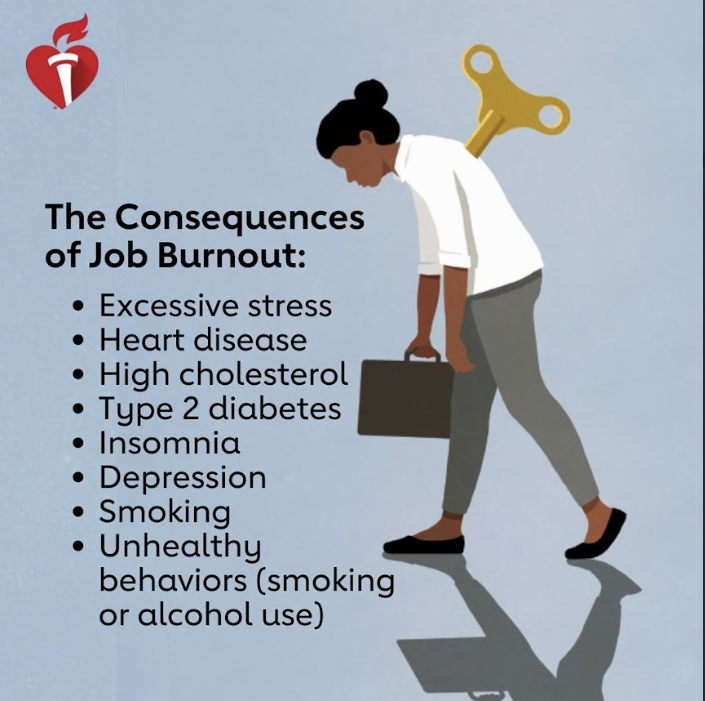
First, you must know if you’re exhausted, burnedout or getting mentally deteriorated. Burnout doesn’t always arrive loudly. It usually sneaks in quietly, starting with stress.
1- Stress is a short-term pressure (busy weeks, deadlines, pressure). That’s normal. But when stress doesn’t stop, and you stay in a situation that drains you for too long, burnout begins.
2- Burnout is long-term emotional exhaustion that comes from staying in an unfitted situation too long. It is not about panic attacks, racing thoughts, or constant worry. It’s about:
Feeling lost
Feeling emotionally exhausted
Feeling numb or detached
Feeling anxious because nothing makes sense anymore
Doing work on autopilot
Losing interest in things you once cared about
3- Work anxiety comes after burnout. Anxiety shows up not as panic, but as constant mental noise and fear about the future. Reason?
You’re tired
You don’t see a future
You don’t know what you’re working toward
Your brain starts asking:
What’s the point of this?
Is this my life now?
What if I’m wasting my time?
Burnout drains your energy. Anxiety fills the gap with worry. And none of this means you’re weak. It means your nervous system has been pushed for too long without rest.
You’re Not Imagining It — Work Anxiety Is Everywhere
Work anxiety is a real concern everywhere. According to a recent survey in the USA, over 41 percent of employees reported high levels of tension at work. Nine in 10 workers say job stress affects their mental health, and 83 percent say they feel emotionally drained by their robotic work routine and environment.
Workplace phobic anxiety not only affects your productivity and performance, but also your physical and mental health.
15% of working-age adults were estimated to have a mental disorder.
Globally, an estimated 12 billion working days are lost every year to depression and anxiety, for US$ 1 trillion per year in lost productivity.
Common Career Issues Nobody Warns You About
People talk about choosing a path, working hard, and becoming successful, but they don’t talk about what happens when you go through the same cycle for years.
You might feel bored even though the job is “good”
Lose interest in work you once cared about
Feel stuck because changing paths feels risky
Compare yourself to people who seem more successful
Staying only because of money
When these feelings aren't addressed, they typically evolve into a few common and difficult career problems.
1- Not Liking Your Job
Feeling unhappy or unfulfilled at work can lower your mood. It helps to figure out why you feel that way. You could look for a new job, aim for a promotion, or even change careers.
2- Feeling Lost Or Unsure
Many people don’t know what they want from their career. This can make you feel unmotivated or confused. Talking to a counselor can help you understand your interests and strengths, and find work that suits you better.
3- Balancing Work And Life
It’s hard to manage job demands and personal time. Too much work can lead to stress, exhaustion, and problems at home. Setting limits, managing your time well, and taking care of yourself can create a better balance.
Why You Feel Like You’re Running in Circles
One of the most confusing parts of this phase is that, apparently, you are still doing “fine” on paper.
You meet deadlines.
You show up.
You’re responsible.
So you ask yourself: “If I’m doing okay, why do I feel so lost?” Feeling lost doesn’t always come from failure. Sometimes it generates from disconnecting an old version of your life. Maybe you are:
Working toward goals that don’t excite you now
Living to meet the expectations you didn’t choose
Staying because it’s safe, not because it fits
Your mind keeps going, but your heart has checked out. This creates the feeling of running in circles — lots of effort, no direction. And when there’s no clear “why,” motivation disappears naturally.
Losing Motivation Isn’t Failure — It’s a Signal Something Needs to Change
When motivation disappears, our brain goes into survival mode. You start blaming yourself.
“I’ve become lazy.”
“Something is wrong with me.”
“Why can’t I push harder like others?”
But actually, motivation fades when:
Your work no longer matches your values
You don’t see growth or purpose
You’re emotionally tired, not ungrateful
Instead of forcing yourself to “be motivated,” just pause! Then ask yourself:
What feels draining right now? Is it unrelated tasks or just office gossip?
What feels meaningless?
What am I holding onto out of fear? Pay? Or Comfort zone?
How To Solve Career Confusion (When You Truly Don’t Know What You Want)
You have career confusion doesn’t mean you are dumb. It’s just a sign that your life is asking for an update. Angela Richard, a career coach, suggests that you should start with these three basic steps.
1. Redefine What “Career” Means to You
Most of us feel lost because we’re chasing a version of “career” that is not ours. Don’t imitate but ask yourself:
Does career mean money and stability right now?
Does it mean meaning and impact?
Does it mean flexibility, peace, or work-life balance?
There is no universal definition. Some people want growth and titles. Others want calm and control over their time. The only definition that matters is yours — especially in this phase of your life.
Career clarity starts when you stop copying someone else’s goals.
2. Take an Honest Inventory (Without Judging Yourself)
We skip this step because it feels uncomfortable. But it’s essential.
Sit down and write:
Skills: What are you actually good at (even if it feels basic)?
Values: What matters to you now? Freedom? Security? Creativity?
Interests: What drains you vs. what energizes you?
Goals: Short-term needs vs. long-term hopes
‘You don’t need perfect answers. You just need honest ones.’ Ignoring this step is why many people jump into another job and feel lost all over again.
3. Explore Before You Commit
Clarity doesn’t come from overthinking. It comes from exposure. Instead of a lifelong plan. You just need your next informed step. Ask yourself:
Can I talk to someone who does this job?
Can I shadow, freelance, volunteer, or try a small project?
Can I test this path without locking myself in?
Real conversations with real people cut through fear and fantasy. They show you what the work actually feels like, not just how it looks online.
4. Expert Support Matters
When your thoughts feel tangled, figuring everything out alone can be exhausting. Sometimes career confusion isn’t about what to do — it’s about feeling overwhelmed or burned out.
Talking to a professional or joining a supportive space like MentalHappy can help you slow down, sort your thoughts, and feel less alone while you figure out your next step.
It’s Okay If Your Old Dreams Don’t Fit Anymore
You’re allowed to change your mind at any age. The dream you had at 18, 22, or even 30 might not fit who you are today.
If’you think that your purpose or dream was not right, no, it’s not. It means it served its purpose for that chapter. Letting go can feel scary, but holding on to something that no longer fits hurts more in the long run.
“You’re not broken or lazy, you’re dealing with a brain that has been changed by chronic stress, and that requires a different approach than what most career coaches will tell you.”
She suggests that if you’re feeling detached from your current position, you must leave it and look for a job you have interest in and also experience. You should look for the 3 S’s for a healthy job hunt.
1- Safety: a work environment that fosters psychological and emotional well-being. Means reasonable boundaries, respectful communications and managers who don’t create unnecessary drama.
2- Stability: work that emphasizes predictability, routine and consistency. Your nervous system should already know what to come and how to calm down.
3- Security: Financial stability and job security that reduces anxiety. Means instead of looking for a high-paid job, look into a stable, long-term income in a stable company that makes you feel safe
Final Remarks
Feeling lost at work doesn’t mean you’ve failed. It means you’re paying attention. Many people stay stuck because they ignore these feelings. You’re doing something braver, as you’re questioning your growth. Start from here:
Focus on what you don’t want anymore
Notice what gives you even a little energy
Try small changes instead of big jumps
Stop comparing your timeline to others
You’re not behind. You’re in a pause, and pauses are part of growth. Sometimes the next step is simply resting, learning, or exploring without pressure.





.svg)


.png)

