

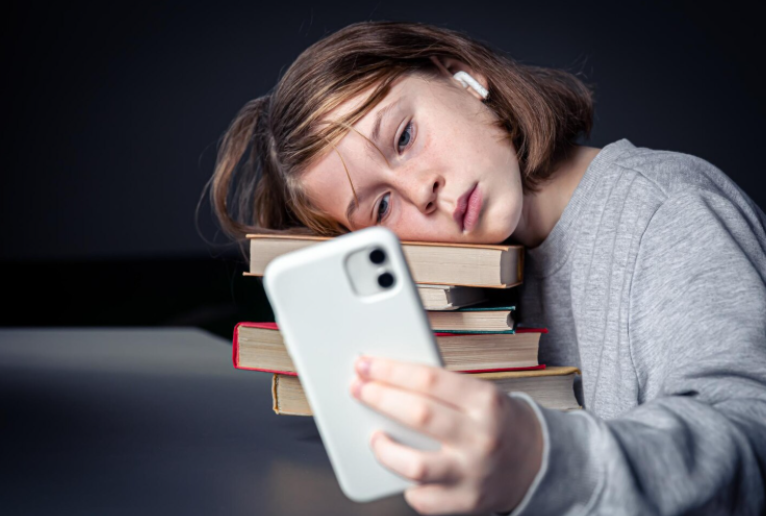
You open your phone for a quick break, scroll through TikTok or Instagram and see a classmate's amazing vacation reel, a friend hitting a new level in a popular game, someone glowing in graduation photos, or someone your age already starting a business. On the other hand, you’re just trying to survive classes, exams, family pressure, and your own doubts. Definitely, you’ll think, Why does everyone else seem ahead of me?
This feeling isn’t jealousy. It's the stress and anxiety that comes from comparing your everyday life to the highlight reels you see online. In 2026, with phones always in our hands, this pressure is stronger than ever. This blog will break down:
Students today are carrying pressure that doesn’t always get talked about.
1- Academic success feels like a standard of self-worth. Good grades aren’t just about learning anymore — they feel like proof that you’re smart, capable, and “doing life right.” When results don’t match expectations, many students quietly feel ashamed or afraid of disappointing their family.
2- Then comes career anxiety. There’s a constant push to decide early:
Students feel rushed to have a clear plan, even when they’re still discovering their interests. Not knowing the answer makes them feel behind, even though uncertainty is normal at this age.
3- On top of that are age-based milestones and the invisible deadlines society sets. Like:
When life doesn’t follow this timeline, feeling behind as a student is normal. You feel like you’ve failed, even when you’re simply moving at your own pace.
This pressure is silent because many students don’t talk about it — but almost everyone feels it.
Students and media have a complex relationship. While social media is a good source of information and skill development, it also poses risks such as addiction, cyberbullying, and student mental health issues like anxiety, poor sleep, and distraction from academics.
Let’s see how this modern media creates the “everyone else is winning” illusion.
Let's be real. Social media is like a magician's trick. It only shows you the best 30 seconds of someone's day, not the boring or hard parts. In 2025, apps are designed to keep you scrolling through these perfect moments—funny reels, fancy outfits, cool achievements. This creates a Comparison Trap. You might think:
Here's the truth bomb: A Pew Research Centre survey found that about 27% of teens say social media makes them feel worse after spending time on social media. It’s because they compare their "real-time struggles" to everyone else's "greatest hits" that might be fakes in many cases.
When all you see is success, it’s easy to feel like you're failing, even if you're doing just fine. Remember! You are seeing a highlight reel, not the full movie of their life.
It's not all what it seems!
Most students don’t realize that what they see online is carefully made, not natural.
But when students don’t understand this, they start thinking:
Online literacy means knowing that content is created, not captured. When students learn this, they stop blaming themselves. They understand that social media is not real life — it’s a show.
Your worth is not decided by likes, views, or followers.
Grades must stay in classrooms. But now they feel public. Students see posts about:
This makes many students feel pressured to compete all the time. Some feel small or embarrassed about their marks. Others face bullying or teasing for being “slow” or “average.” Over time, this turns into career anxiety — the fear that one bad result means a bad future.
But real life doesn’t work that way. One exam, one year, or one delay does not decide your whole life.
Gaming and online entertainment can feel like a safe escape. After a hard day, games help students relax and forget stress. That’s okay — in small amounts.
The problem starts when gaming becomes the only escape. Then students:
This cycle leads to academic pressure and burnout — feeling tired, bored, and mentally exhausted, even before starting work. Balance matters. Rest is healthy, but running away from stress makes it grow bigger.
AI tools can help students learn faster, explain topics, and save time. But they also bring new worries:
Some students feel pressure to be perfect because AI makes answers look perfect. But learning is not about perfect answers — it’s about understanding. AI is a tool, not a competition. It should support students, not scare them.
Academic Stress + Digital Pressure = Mental Overload
When you scroll through social media, you're stepping into a world of carefully selected "highlight reels." This constant digital comparison tricks your brain into feeling like everyone else is winning while you're being left behind.
It's not just about feeling sad for a moment; it's a powerful psychological process that makes you lose your confidence over time, making your own achievements seem small in comparison.
Your brain is hardwired to compare. In the past, this helped us learn from others and stay safe in our communities. But on social media, this instinct goes into overdrive. Two key things happen:
Instead of comparing yourself to a few people in your class or neighbourhood, you're now comparing your everyday life to the best moments of hundreds, even thousands, of people from all over the world. This creates an unrealistic and impossible standard to live up to.
Apps are designed to keep you scrolling. When you see a like, a positive comment, or exciting content, your brain releases a little bit of dopamine, a chemical that makes you feel good.
This creates a loop: you post or scroll, you get a reward (likes, new content), and you want to do it again. The problem is, when your own life doesn't generate that same level of online "reward," it starts to feel dull or unsuccessful in comparison.
This environment, where everyone's curated success is on constant display, doesn't just cause envy. It triggers deeper feelings of shame—a feeling that you are somehow not good enough as you are.
It stings because it hits on your deepest fears and insecurities, especially during the student years when you're figuring out who you are.
This is the nagging feeling that you don't deserve your success and that you'll be "found out" as a fraud. When you see someone else getting a great internship or acing a test you found hard, it can feed this voice, making you think, "They're the real deal; I just got lucky."

This is more than just FOMO (Fear Of Missing Out). FOBO is the anxiety that your peers are on a faster track to success—building better resumes, gaining more skills, or making more connections. Every "win" you see online can feel like a reminder that you're losing a race you didn't even know you were in.
Your teenage and young adult years are all about building your identity. When you constantly measure your own journey against the polished, successful identities people project online, it becomes confusing. You start to question your own choices, interests, and path, wondering if you should change to be more like what gets celebrated online.
The stress from this constant comparison isn't just "in your head"—it has real, measurable effects on your mental and physical health. Research presented at the 18th International Conference "Keeping Children and Young People Safe Online" shows that since the mid-2000s, as screen time and social media use have skyrocketed, there has been a concerning decline in adolescents' mental health. Which is now a leading cause of illness in this age group. This digital pressure contributes directly to:
The pressure to perform, look a certain way, and keep up online can be overwhelming. It creates a state of constant, low-grade stress that can tip into anxiety and contribute to feelings of sadness or hopelessness.
When you feel like you can never measure up, it's easy to think, "What's the point?" This can lead to academic burnout—a state of emotional, mental, and often physical exhaustion that makes it impossible to focus or care about schoolwork.
The blue light from screens disrupts your sleep cycle, but so does the mental chatter. Lying in bed while thinking about a perfect post you saw or a mean comment can make it very hard to fall asleep. Poor sleep then makes it harder to cope with stress the next day, creating a vicious cycle.
Not everyone who succeeds is always online. Some people choose a different path — and it works for them.
“When I was in college, Facebook arrived at our campus. People were excited about it. Later, everyone was hooked on this thing, but I never signed up and never had a social media account since. But I still have friends. I still know what’s going on in the world as a computer scientist. I still collaborate with people around the world, and I am more… happier than any other as I have more sustainability in my life. I am more successful professionally because I don’t use social media.”
Feeling the pressure of being left behind is totally normal, but letting it control you isn't cool. It can lead to serious stress and make you hate school and studies. The good news? You can fight back.
Here’s your action plan:
Your feed should make you feel good, not bad. If an account constantly makes you feel jealous or less than, unfollow or mute it!
In 2025, you have the power to choose what you see.
If you love:
Your screen time doesn’t have to be wasted time. Use it to build skills, not pressure.
If you are keeping your stress inside, thinking, “Others are handling it. Why can’t I?”
Just know that talking about problems always helps:
Remember: asking for help is a strength, not a failure. You don’t have to figure everything out alone.
Think of your phone or laptop like a kitchen knife. It can be used to make a healthy meal or, if handled carelessly, cause harm. The tool itself isn’t good or bad—it’s all about how you use it.
When we understand our own psychology and boundaries, screens become tools for learning, connection, creativity, and emotional support rather than distractions.
A psychology teacher, Geo Sebastian from India, challenges the belief that technology kills motivation. He is of the view that screens are not distractions, but can be powerful allies. The key is to move from being a passive scroller to an intentional user—making technology work for you, not against you.
For Example, a student who joins online peer groups to get study help, or uses apps for digital mind mapping to organize his/her thoughts are using this technology correctly.
He further advises - instead of scrolling mindlessly, use 10-30 minutes daily to learn animations or the latest AI tools. This way, your screens will make you ready to avail good jobs after you finish your studies.
Remember, your value isn't measured by likes, followers, or someone else's highlight reel. Your journey is your own. One of the strongest steps you can take to reduce your inferior complexity as a student is to talk about it. Share your feelings with friends, family, or a counselor. You will instantly feel that your emotional load will be lightened.
You can join a community that truly understands you. Or you can also explore online support groups with similar experiences, like MentalHappy, a platform designed to connect people facing similar stresses in a safe and supportive space. By building awareness and small, healthy habits, you can reclaim your focus, protect your peace, and use the digital apps on your own terms.
.svg)


.png)
.png)


.svg)


.svg)


