Professional Tips on Hosting Support Groups for Community Needs
Find essential advice on hosting effective support groups to meet community needs. Learn about readiness signals and optimal timing to start your group.
Pritika B. Gonsalves, PhD, MA
Director of Psychological Content & Expert-Led Support Programs, MentalHappy
Pritika B. Gonsalves, PhD, MA
Director of Psychological Content & Expert-Led Support Programs, MentalHappy
Director of Psychological Content & Expert-Led Support Programs, MentalHappy
Support Group Hosting Essentials: How to Start, Manage, and Facilitate Effective Mental Health Support Groups
Starting a support group can be a transformative experience for both facilitators and participants, providing a safe space for individuals to share their experiences and seek emotional support. This article will guide you through the essentials of starting, managing, and facilitating effective mental health support groups. You will learn about the key strategies for creating a supportive environment, the signs that indicate a community's need for a support group, and how to assess readiness for launching such initiatives. By understanding these elements, you can foster a community that thrives on shared experiences and mutual support.
"MentalHappy's demand-led group care model—developed since the platform's founding in 2016—is built around one core insight: the best time to launch a support group is after you already know people want it. MentalHappy, an member organization, has helped hundreds of facilitators move from uncertainty to fully enrolled programs using this approach."
ARPA-H
Starting a Support Group
Starting a support group involves several critical steps to ensure its success and sustainability. First, it is essential to identify the purpose of the group, which will guide its structure and activities. Next, choosing a platform for hosting the group—whether in-person or virtual—can significantly impact accessibility and participation. Finally, setting up the group effectively includes establishing guidelines and promoting the group to attract members.
Identify the Purpose of the Group
Defining the group's purpose helps clarify its goals and the type of support it aims to provide. This clarity is crucial for attracting the right participants and ensuring that the group's activities align with their needs.
Choose a Platform for Hosting
Selecting the right platform for your support group can enhance participation. Options include in-person meetings, which foster personal connections, or virtual platforms that offer flexibility and accessibility for members who may have mobility or transportation challenges.
Set Up the Group Effectively
Establishing clear guidelines for participation and communication is vital. This includes setting expectations for confidentiality, respect, and active engagement, which can help create a safe and supportive environment for all members.
Managing the Group
Effective management of a support group is essential for maintaining a positive and productive atmosphere. Establishing guidelines for members, scheduling regular meetings, and actively engaging participants are key components of successful group management.
Establish Guidelines for Members
Creating a set of guidelines helps ensure that all members understand the group's expectations. These guidelines should cover confidentiality, respect for differing opinions, and the importance of active listening.
Schedule Regular Meetings
Consistency is crucial in support groups. Scheduling regular meetings helps build trust and rapport among members, making it easier for them to share their experiences and support one another.
Engage Members Actively
Encouraging active participation from all members can enhance the group's effectiveness. This can be achieved through structured activities, open discussions, and opportunities for members to share their stories and insights.
Facilitating Effective Sessions
Facilitating effective support group sessions requires specific strategies to create a welcoming and productive environment. Creating a safe space for sharing, utilizing technology for facilitation, and encouraging peer support are essential practices.
Create a Safe Space for Sharing
A safe space is one where members feel comfortable expressing their thoughts and feelings without fear of judgment. Establishing ground rules and fostering an atmosphere of trust can help achieve this.
Utilize Technology for Facilitation
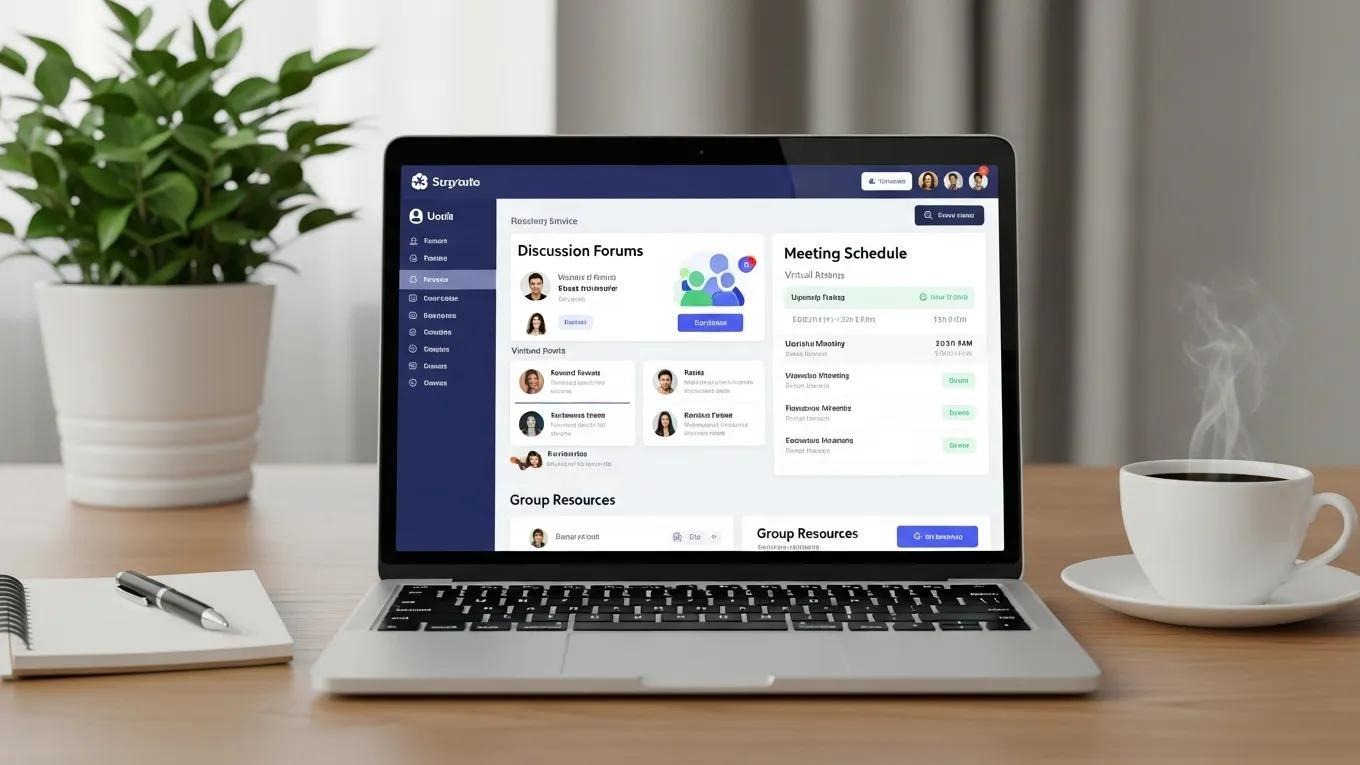
Incorporating technology can enhance the support group experience, especially for virtual meetings. Tools like video conferencing software and online discussion boards can facilitate communication and engagement among members.
To maximize the effectiveness of virtual sessions, it's important to follow established best practices for online facilitation.
Virtual Facilitation Best Practices for Support Groups
Best practices summarized across studies included (1) stakeholder engagement, (2) understanding the recipient’s organization, (3) facilitator training, (4) piloting, (5) evaluating facilitation, (6) use of group facilitation to encourage learning, and (7) integrating novel tools for virtual interaction.
Virtual facilitation best practices and research priorities: a scoping review, A Agulnik, 2024
Encourage Peer Support
Encouraging members to support one another can strengthen the group's dynamics. This can be achieved by promoting shared experiences and fostering a sense of community among participants.
Key Strategies and Best Practices
Implementing key strategies and best practices can significantly enhance the effectiveness of support groups. Accessibility considerations, personalization of support, and feedback mechanisms are vital components to consider.
Accessibility Considerations
Ensuring that the support group is accessible to all potential members is crucial. This includes considering physical accessibility for in-person meetings and providing virtual options for those unable to attend in person.
Personalization of Support
Tailoring the support provided to meet the unique needs of group members can enhance their experience. This may involve adapting discussions or activities based on the specific challenges faced by participants.
Feedback Mechanisms
Establishing feedback mechanisms allows members to share their thoughts on the group's effectiveness and suggest improvements. Regularly soliciting feedback can help facilitators make necessary adjustments to better serve the group.
Strategy
Attribute
Value
Accessibility
Physical and virtual options
Increased participation
Personalization
Tailored discussions
Enhanced member satisfaction
Feedback
Regular surveys
Continuous improvement
These strategies highlight the importance of adaptability and responsiveness in managing support groups effectively.
Essential Resources
Utilizing available resources can greatly assist facilitators in managing support groups. Resources may include platforms for hosting meetings, community guidelines, and training opportunities for facilitators.
Utilize the MentalHappy Platform
MentalHappy Inc. offers a range of resources for support group facilitators, including tools for organizing meetings and connecting with participants. Leveraging these resources can streamline the management process.
Refer to Community Guidelines
Familiarizing yourself with community guidelines can provide valuable insights into best practices for support group facilitation. These guidelines often outline ethical considerations and effective communication strategies.
Consider Training Opportunities
Participating in training opportunities can enhance your skills as a facilitator. Workshops and courses focused on mental health support can provide valuable knowledge and techniques for managing group dynamics.
What Are the Signs That Your Community Needs a Support Group?
Identifying the signs that a community needs a support group is crucial for timely intervention. Key indicators include community feedback, increased mental health issues, and a lack of existing support options.
Community Feedback
Listening to community members can provide valuable insights into their needs. Surveys, discussions, and informal conversations can help identify gaps in support services.
Increased Mental Health Issues
A rise in reported mental health issues within a community can signal the need for additional support. Monitoring trends in mental health can help determine when to initiate a support group.
Lack of Existing Support Options
If community members express a lack of available support options, it may be time to consider establishing a support group. This can help fill the void and provide necessary resources for those in need.
How Do You Know When a Support Group Is Ready to Start?
Determining when a support group is ready to launch involves assessing community interest, evaluating facilitator readiness, and identifying resource availability.
Assess Community Interest
Conducting surveys or holding informational meetings can gauge community interest in a support group. Understanding the level of interest can help inform the decision to move forward.
Evaluate Facilitator Readiness
Facilitators should assess their readiness to lead a support group. This includes evaluating their knowledge of mental health issues and their ability to create a supportive environment.
Identify Resource Availability
Ensuring that necessary resources are available is crucial for a successful launch. This may include meeting spaces, materials, and access to mental health professionals for guidance.
What Are the Best Practices for Hosting and Managing Support Groups?
Implementing best practices for hosting and managing support groups can enhance their effectiveness. Utilizing effective management tools, engaging with community feedback, and ensuring confidentiality and safety are essential.
Utilize Effective Management Tools
Incorporating management tools can streamline the organization of support groups. Tools for scheduling, communication, and documentation can enhance the overall experience for facilitators and participants.
Engage with Community Feedback
Regularly seeking feedback from group members can help facilitators understand their needs and make necessary adjustments. This engagement fosters a sense of ownership among participants.
Ensure Confidentiality and Safety
Maintaining confidentiality and safety is paramount in support groups. Establishing clear guidelines and fostering a culture of trust can help create a secure environment for sharing.
How Can Subscription Services Enhance Support Group Hosting and Community Engagement?
Subscription services can provide valuable resources for support group hosting and community engagement. User-friendly interfaces, enhanced community building, and continuous engagement features are significant benefits.
User-Friendly Interfaces
Subscription services often offer intuitive platforms that simplify the process of managing support groups. These interfaces can make it easier for facilitators to organize meetings and communicate with members.
Enhanced Community Building
By utilizing subscription services, facilitators can foster a sense of community among participants. Features such as discussion forums and group chats can enhance interaction and support.
Continuous Engagement Features
Subscription services may include tools for ongoing engagement, such as reminders for meetings and follow-up resources. These features can help maintain participant interest and commitment to the group.
MentalHappy Inc. is a mental health-focused organization dedicated to providing accessible emotional support and resources. By leveraging their platform, facilitators can enhance the effectiveness of their support groups and foster a thriving community.
About the Author
Dr. Pritika B. Gonsalvesis a clinical expert specializing in structured group programs. She contributes her expertise to MentalHappy, Inc., a San Francisco-based platform founded in 2016 and a member of ARPA-H(Advanced Research Projects Agency for Health).
Medical Disclaimer: This content is for informational purposes only and is not a substitute for professional medical advice, diagnosis, or treatment. If you are in a life-threatening situation or a mental health emergency, please call or text 988 (in the US) or go to the nearest emergency room.





.svg)